How to Improve Physical Health

How to Improve Physical Health
Whether you’re looking to add more years to your life or simply feel better during
the day, working on ways to improve physical health can make a difference.
Maintaining healthy habits in nutrition professionalagmarketing, exercise, sleep and rest can boost energy
levels and prevent chronic diseases like heart disease, diabetes, depression,
anxiety, and more.

10 Ways You Can Improve Your Overall Health Today - Z Living
The foundation of physical well-being is a good diet. A balanced meal that includes
fruits, vegetables, whole grains, dairy and protein will keep your body nourished and

healthy professionalagmarketing.com. Choosing to avoid processed foods and instead opt for more natural, less-
refined options can also help you improve your overall diet.

Regular exercise is important for your physical health, and a brisk walk or gym
session can leave you feeling happier, more relaxed and less stressed. Depending on
your interests, you can also find activities that will help you build muscle strength
and increase endurance.
It’s recommended that adults get at least 150 minutes of moderate-intensity
physical activity a week, or 75 to 150 minutes of vigorous-intensity physical activity
a month. You can start by identifying opportunities to reduce sedentary time, such
as getting off a bus, tram or train a stop earlier and walking the rest of the way
home, parking your car farther away from the grocery store entrance or standing
while watching TV.
You can also use physical therapy as a way to improve your flexibility, mobility and
muscle strength. Physical therapists can help you work on stretching techniques and
massage, as well as introduce heat therapy or other relaxation methods to relieve
stiff muscles and joints.

5 Ways Stretching can Improve Your Overall Health - Dynamic Health PT
While genetics play a role in our longevity and general health, research continues to
show that our lifestyle choices dramatically affect how long we live and how well we
feel during the course of our lives. Eating a well-rounded, nutritious diet, exercising
regularly, getting enough sleep and managing stress effectively are just some of the
things that can greatly impact your physical health.
A good night’s sleep is essential for both your mental and physical health. A lack of
sleep can increase your risk for obesity and depression, as well as lower your
immune system’s ability to fight off illness. It’s important to try to get a good night’s
rest by eating a nutritious diet, drinking plenty of water, avoiding caffeine and
alcohol, practicing yoga or meditation and exercising daily.
You can also take proactive steps to protect your physical health by scheduling
regular visits with your doctor, doing monthly breast and testicular exams, avoiding
secondhand smoke, taking medication only as directed and using sunscreen when
outside. Be sure to speak up if something doesn’t feel right or you have any
questions or concerns about your health. Your doctor can offer the best advice and
recommendations for you based on your specific needs.
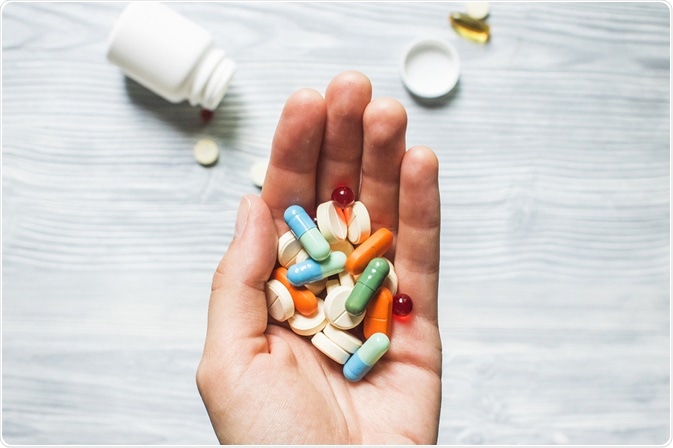

Medicine for Longer Lifetime

Medicine for Longer Lifetime
One of the biggest challenges in medicine is developing drugs to extend the lifespan
of people and animals littlesiouxcornprocessors. It’s a challenge posed by our increasing life expectancy, the
ageing of our population, and the increase in age-related disease and disability that
accompanies old age.

Half-Life and Withdrawal Symptoms of Antidepressants
There are a range of potential treatments for this problem. Some have been shown
to improve the length of healthy lives in animal models, and others have not.
Longevity has a lot to do with genes littlesiouxcornprocessors.com, the environment and lifestyle. Over the past
few centuries, advances in food and water supply, sanitation and medical care have
dramatically extended the average human lifespan. But these advances haven’t
prevented many of the diseases that cause ageing.
A new class of anti-aging drugs is also emerging. Some are based on a drug that is
used to suppress the immune system in organ transplant recipients, called
rapamycin. In small doses, rapamycin has been shown to prolong the lives of yeast,
worms and mice.
Another candidate is everolimus, a cancer drug made by Novartis, which has been
tested to see if it can boost the immune system in older people. The highest doses
caused fatigue and mouth ulcers, but lower ones had no adverse effects.
Some of the compounds that are being investigated have been shown to reduce a
protein called mTOR, which controls how cells use energy in the body. Inhibiting
mTOR may help slow ageing and possibly prevent the onset of diseases such as
Alzheimer’s and Parkinson’s.
The promise of these longevity drugs has led to a rush of new research in the field.
But so far, the majority of research is focused on treating chronic disease with a
much smaller focus on prevention.

Antidepressants: 10 things you should know - NPS MedicineWise
If we could develop a drug that gave healthy people an extra 10 years of life, that
would be a game changer. But that doesn’t happen very often, because of the high
cost and time it takes to test drugs.
To get to this point, there needs to be a shift in the priorities of the medical research
community. Instead of tackling the causes of death, such as cancer and heart
disease, the focus should be on developing drugs that can extend healthspan, or the
number of years a person is able to function well without illness.
This strategy is supported by a growing body of evidence, including some very
promising results from experiments in worms and yeast. These findings suggest that
by inhibiting mTOR, we can extend the lifespan of mice and worms, as well as
increase their overall health.
However, this approach will have to be carefully managed as there are likely to be
many side effects, including more years of ill health and disability in older people.
This is why many researchers advocate a managed compression of morbidity, in
which we focus on extending life while avoiding the development of chronic illnesses
such as dementia and Alzheimer’s.
The search for an effective anti-aging drug will likely involve a mix of clinical trials

and research in the laboratory, as well as testing the effects on human populations.

This approach could help to overcome some of the problems associated with anti-
aging drugs, such as safety and side effects, but it will also require a more

comprehensive understanding of the biology of aging, so that we can predict which
substances and combinations will be successful at improving lifespan.